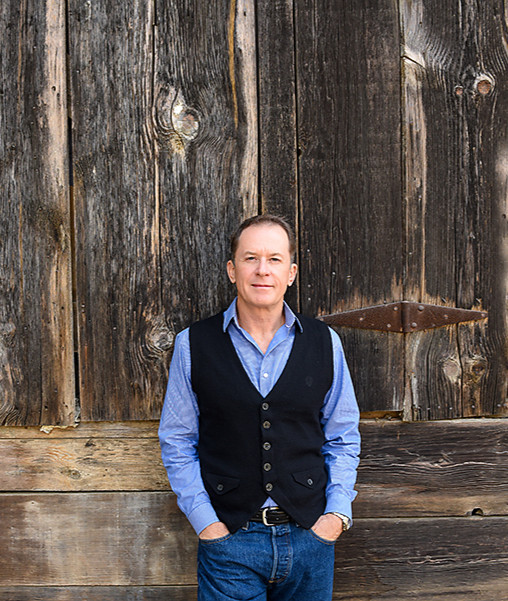
From Gary's Perspective
1987: The Attack
That morning, I walked through the parking lot of my office complex and noticed what looked like a piece of construction debris. When I picked it up, it exploded in my hands. The blast was immediate, detonating in milliseconds, faster than the human nervous system can react. Over 200 pieces of shrapnel tore into my body, propelled at speeds exceeding 3,000 feet per second. The combined force of the blast was estimated at over 10,000 pounds, comparable to the impact of being hit by a car traveling 50 miles per hour. It hurled me backward more than 20 feet and left injuries that would require more than a dozen surgeries over a ten-year period to repair the damage.
Unlike many victims of crime, I learned that my health insurance
refused to cover my injuries because they were the result of an act of terrorism. That decision left me facing crushing financial challenges on top of physical recovery. My business was temporarily shuttered while law enforcement secured the site, occupying and monitoring it for months. During that time, my employees, friends, and family lived under the weight of uncertainty and the fear of another possible attack.


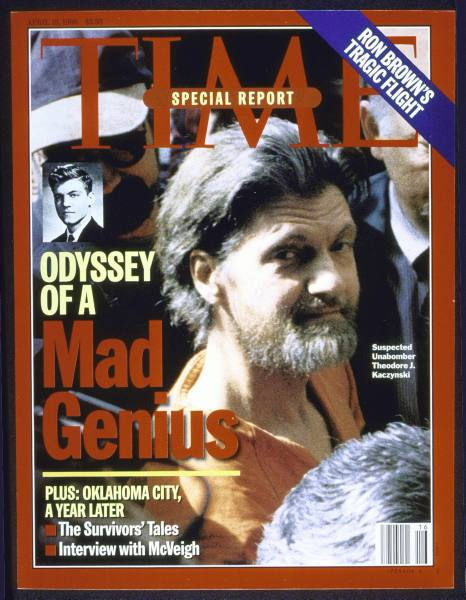
The Unabomber: A Brief History
Between 1978 and 1995, a domestic terrorist later identified as Ted Kaczynski—known as the “Unabomber” (short for University and Airline Bomber)—waged a nationwide bombing campaign against universities, airlines, businesses, and individuals he associated with modern technology and progress. Over 17 years, he mailed or planted 16 explosive devices that killed three people and injured 23 others.
The Unabomber quickly became the subject of the longest and most expensive manhunt in U.S. history. The FBI created the UNABOM Task Force to track him down, yet for nearly two decades he remained elusive. His devices grew more sophisticated over time, designed not just to disrupt but to maim and kill. In 1995, he demanded that national newspapers publish his anti-technology manifesto. That document ultimately led to his identification and arrest in 1996 at a remote Montana cabin, finally ending years of fear and uncertainty.


My Unabomber Story:
From Survival to Strength
On February 20, 1987, my life changed in a fraction of a second. What followed wasn’t just survival, it became a lesson in choice, resilience, and the power to rebuild.
*Created during the 1987 investigation,

The Recovery
For nearly a decade, I lived under the shadow of not knowing who was
behind the violence, or whether it would happen again. The scars on my body told one story, but the invisible weight of fear, financial strain, and emotional turmoil told another. The survival rate of directly picking up a bomb is less than one percent. I was in that one percent. But survival was only the beginning.
With no physical therapy available, I designed my own methods of recovery - testing, adapting, and learning what my body could endure. Mental and emotional healing was even harder. With so few
survivors, there were almost no professionals who could guide me through the trauma. Researching, discovering, and designing ways to rebuild, both physically and mentally, demanded discipline, curiosity, and a level of commitment I didn’t know I had. Through persistence, continual learning, and reflection, I reclaimed my life and sense of purpose.
Today: From Victim to Voice
My story didn’t end with survival—it became a journey of rebuilding and purpose. I’ve shared that message everywhere from the U.S. Senate to international audiences, and through documentaries on Netflix, HBO, and other major networks. Across television, podcasts, and media worldwide, the heart of my story remains the same: you’re stronger than you think, and healing—both mental and physical—begins with choice, connection, and courage.
In time, I formed an unlikely friendship with David Kaczynski and his wife Linda, whose moral courage led to the identification of his brother, Ted, as the Unabomber. What began in tragedy became a testament to the human capacity to heal and find understanding across even the deepest divides.
Schedule a free 20-minute call and find out if I am a fit for
you or your organization.